The work is organised into four strands — ongoing lines of inquiry, each gathering individual works and series.

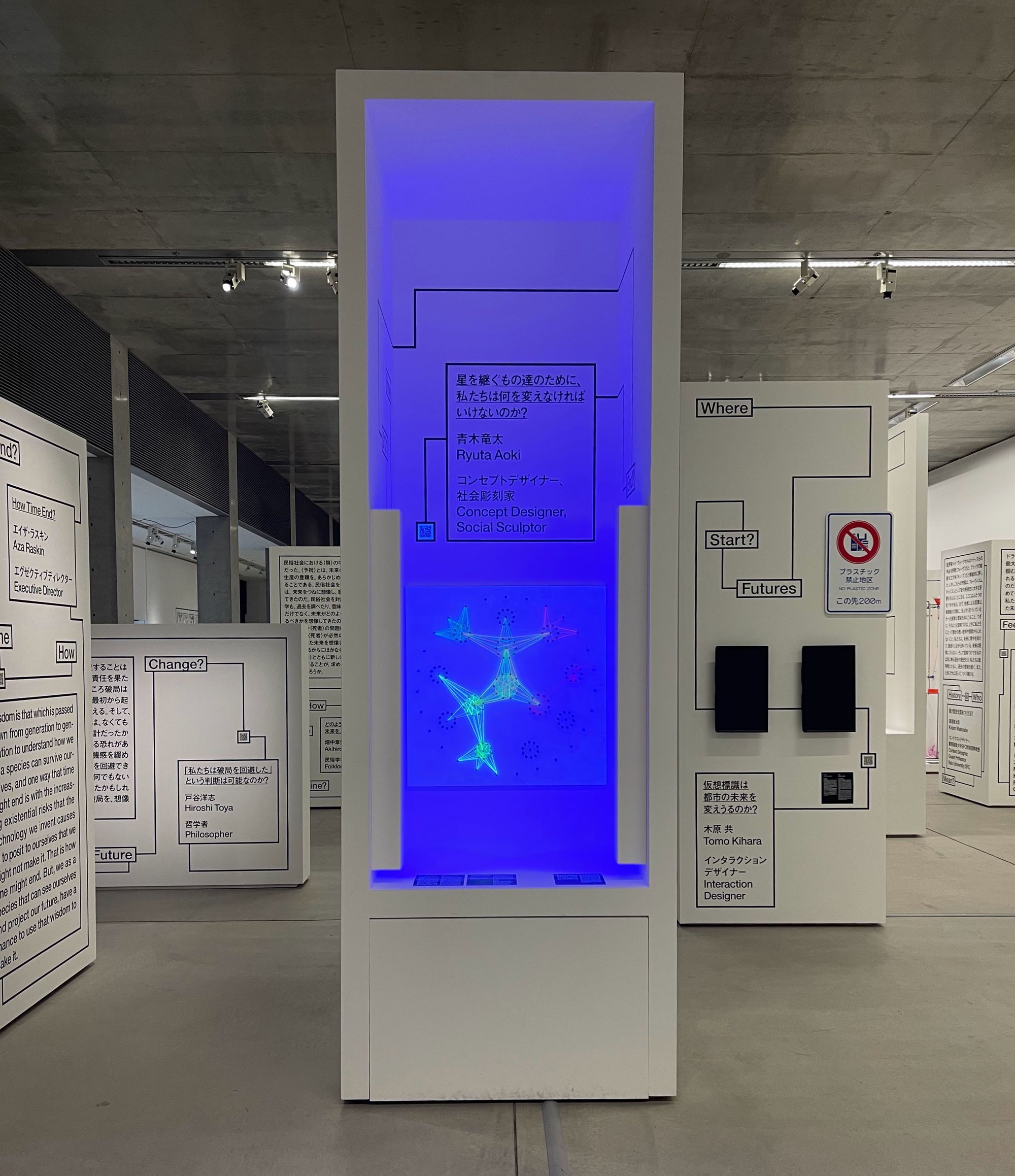
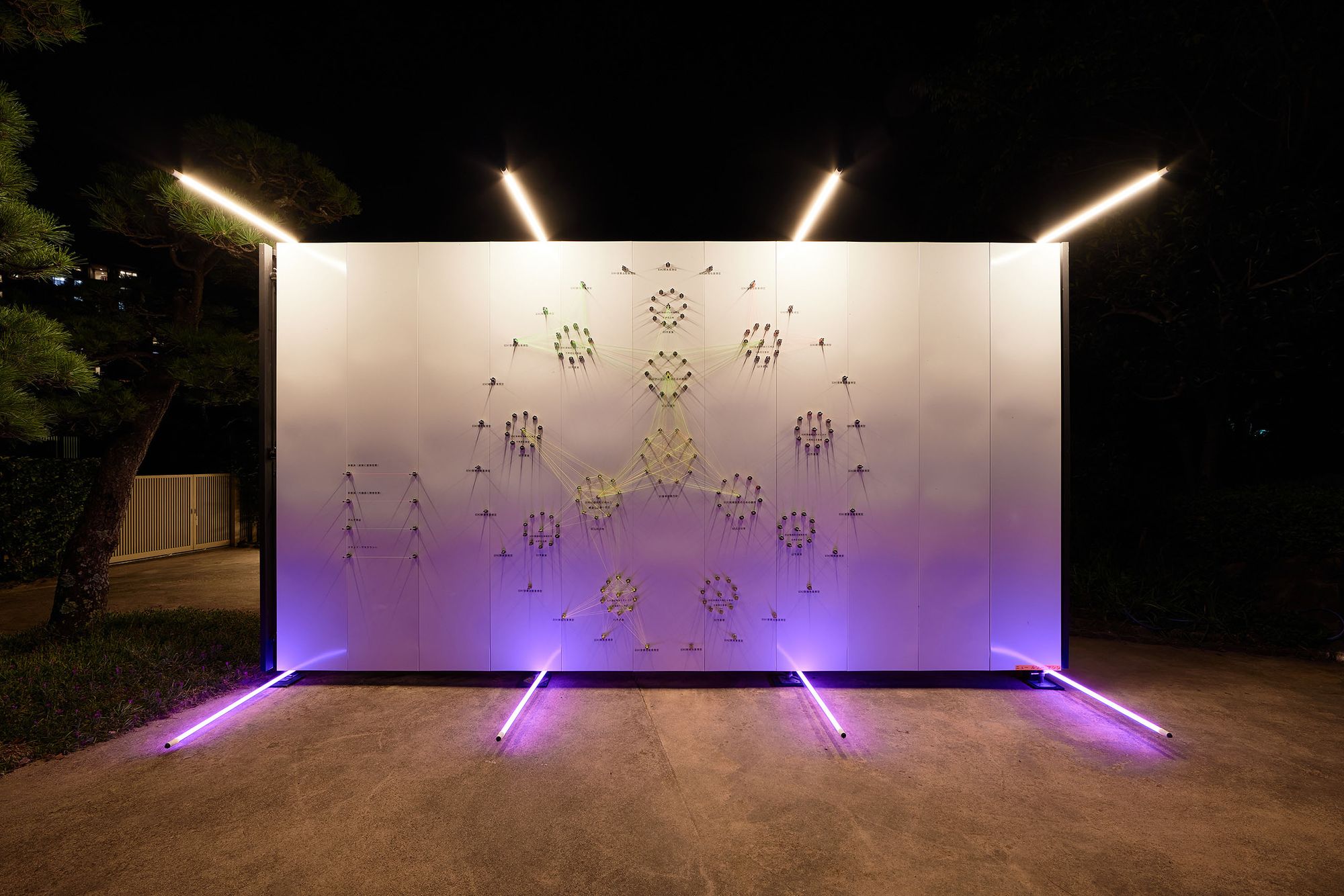
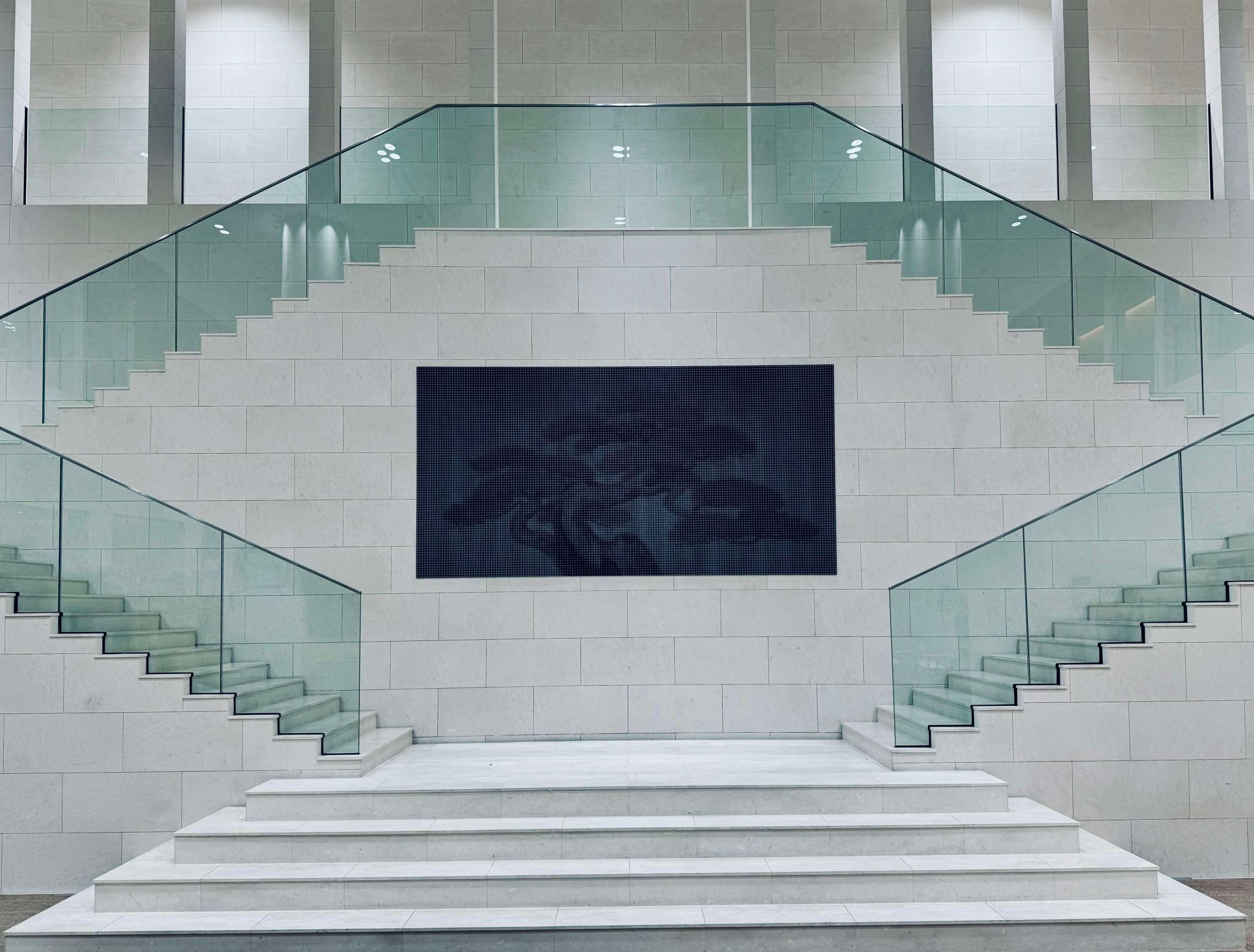
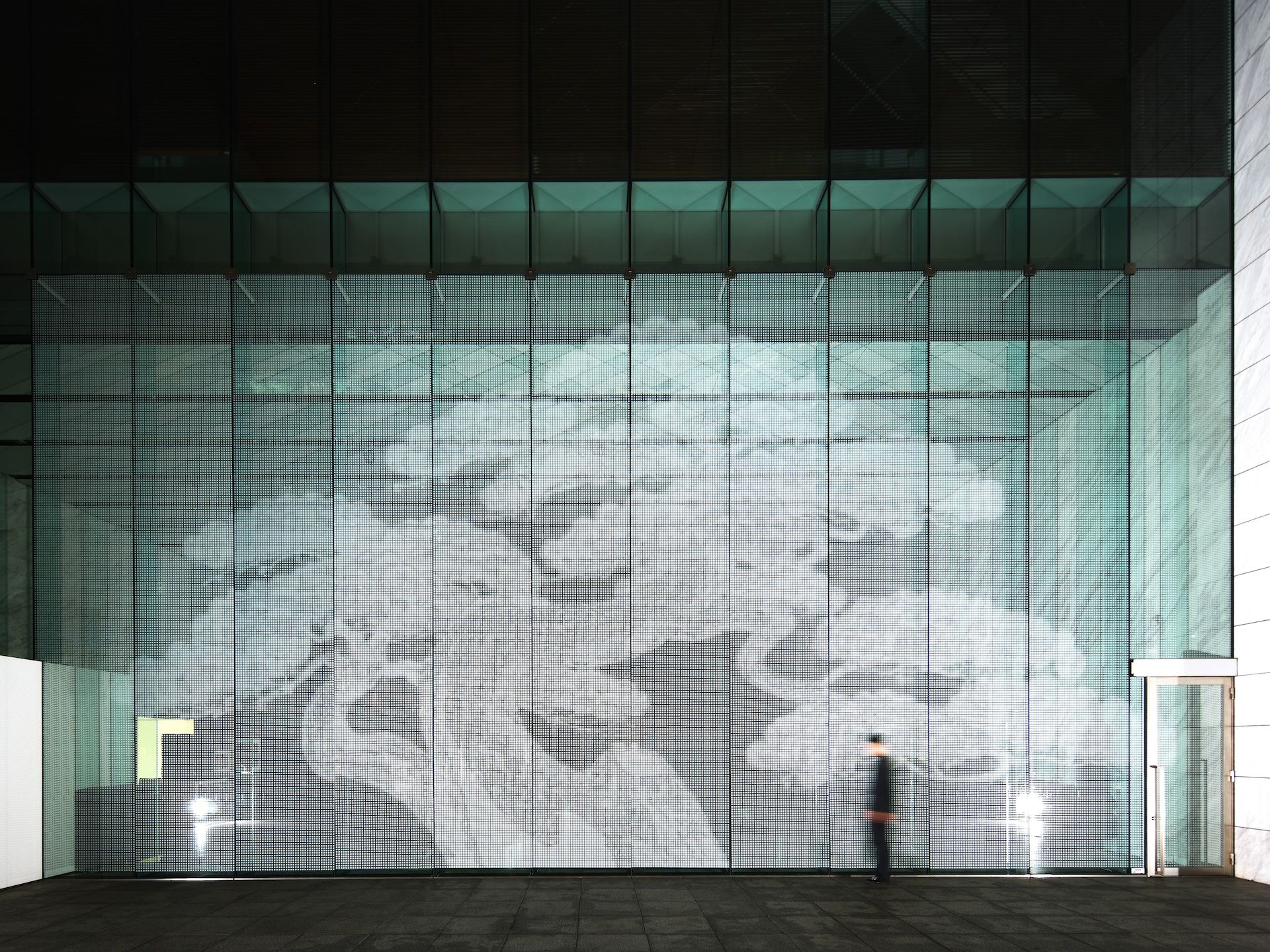
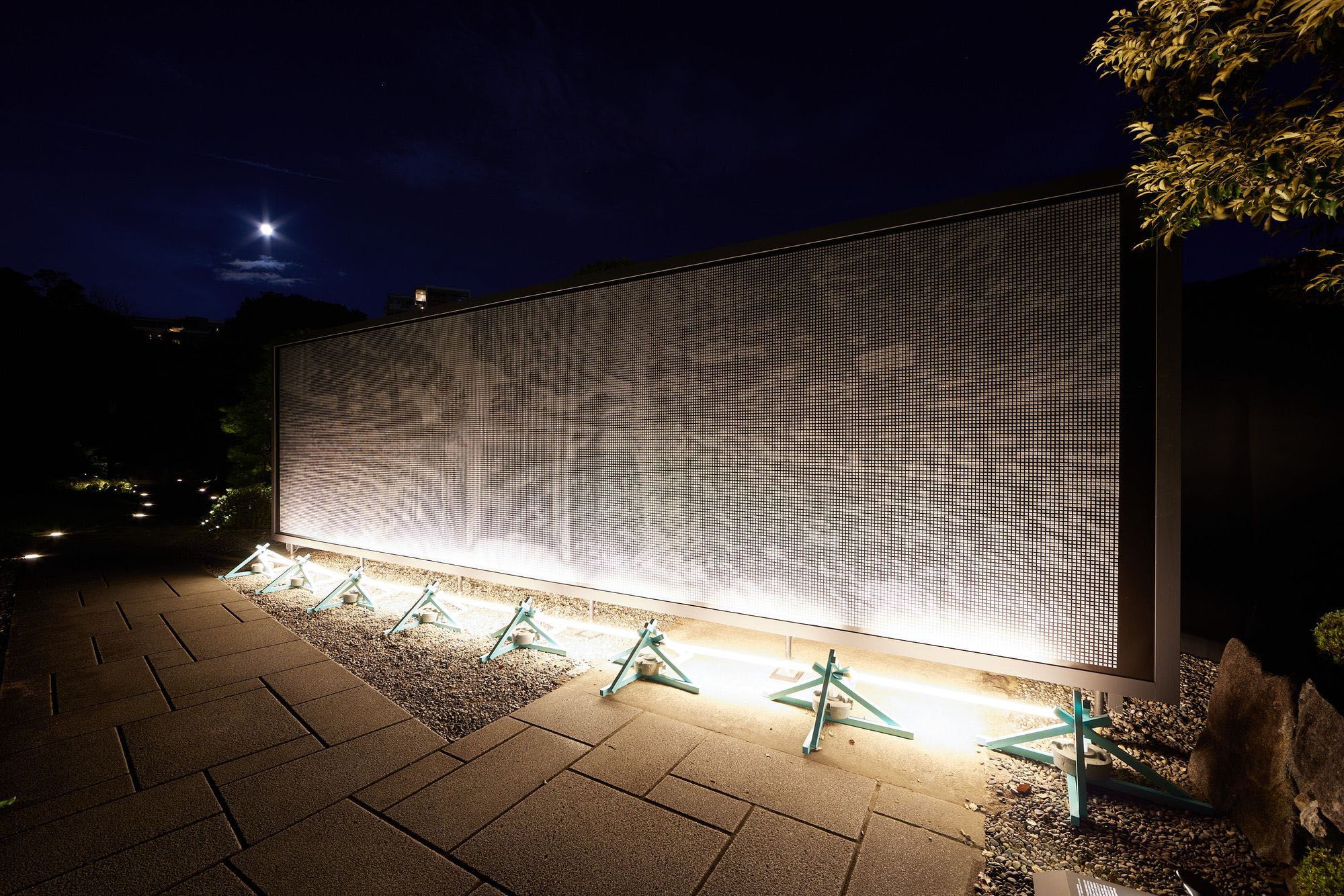
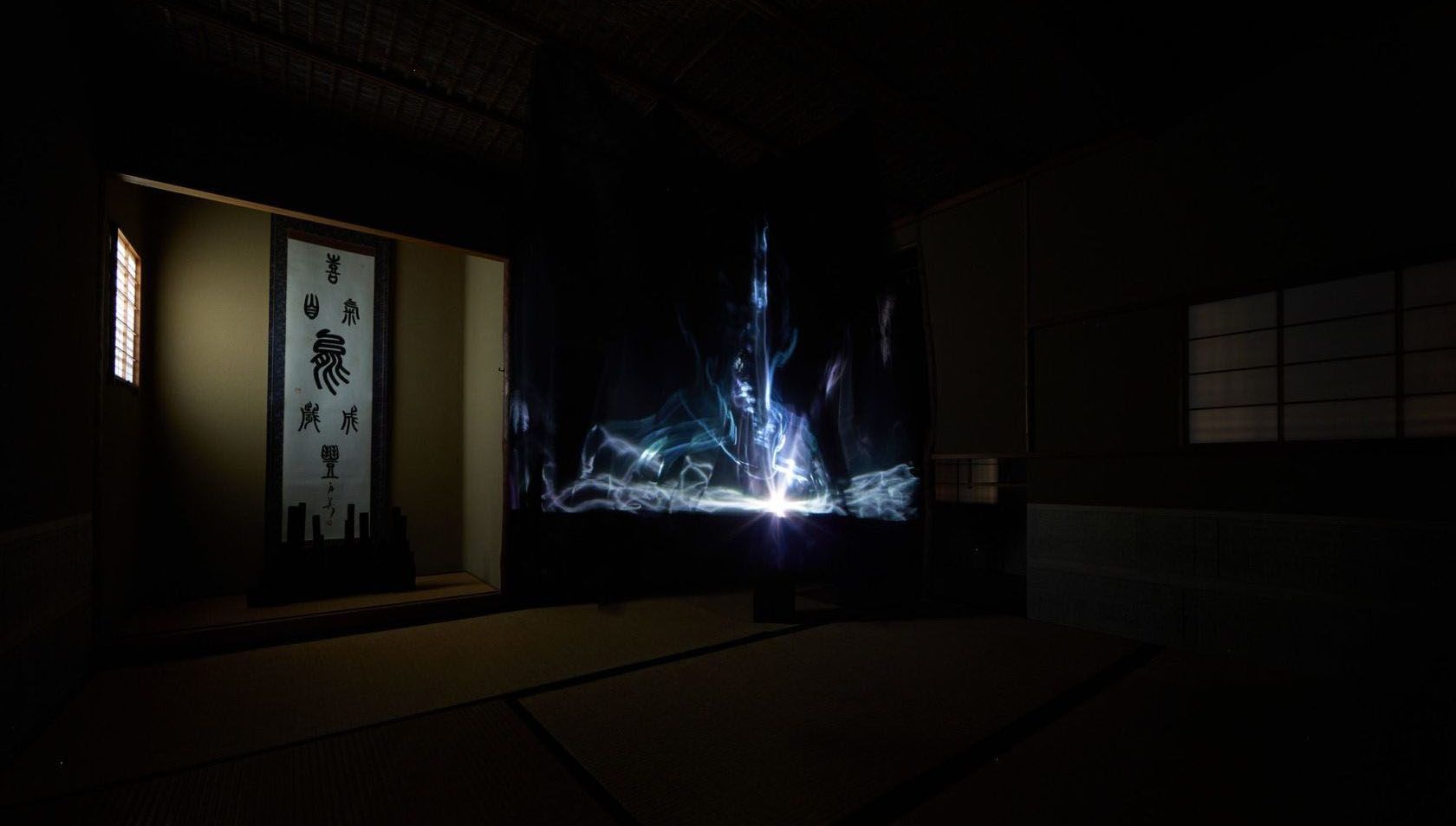
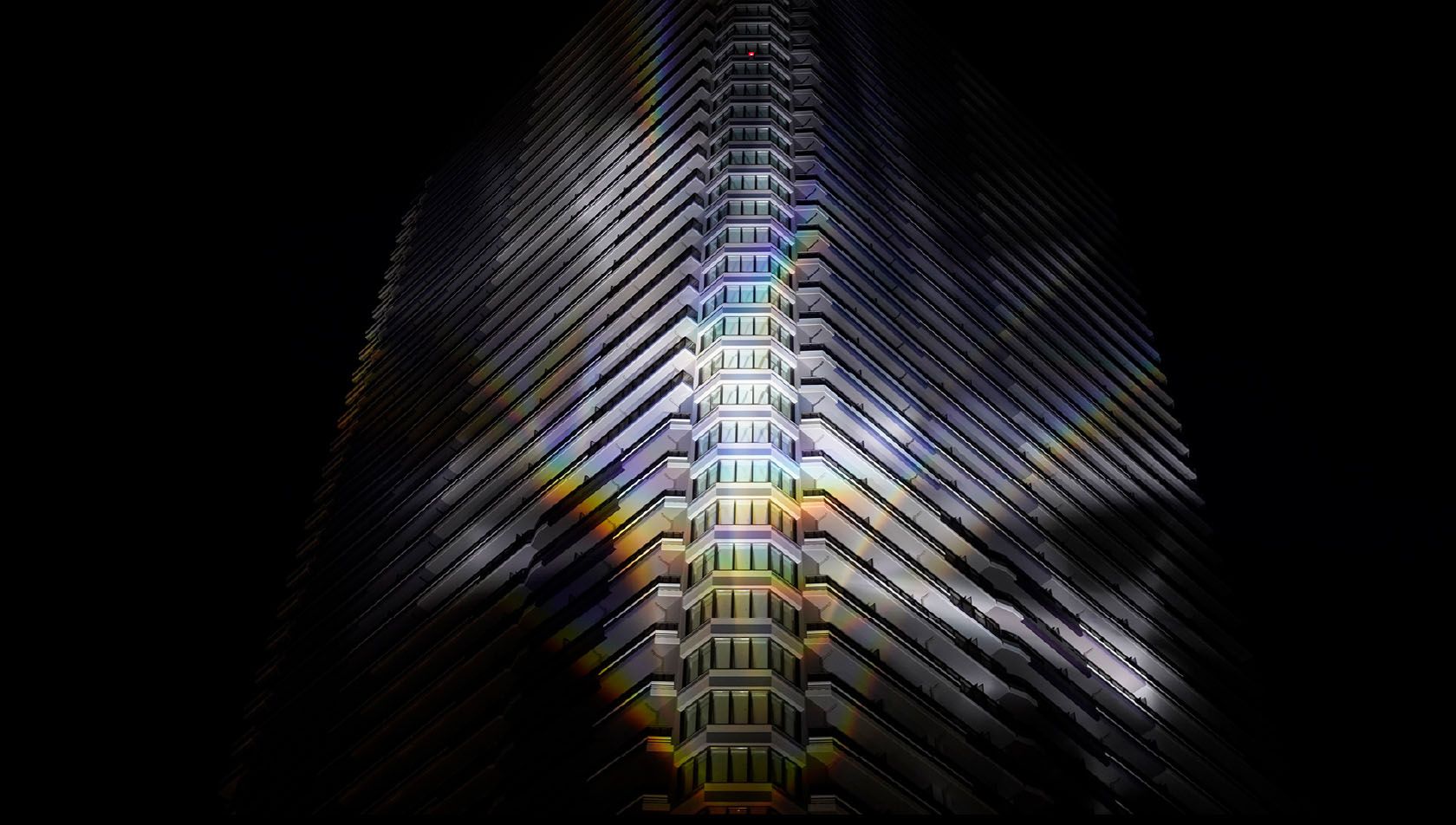
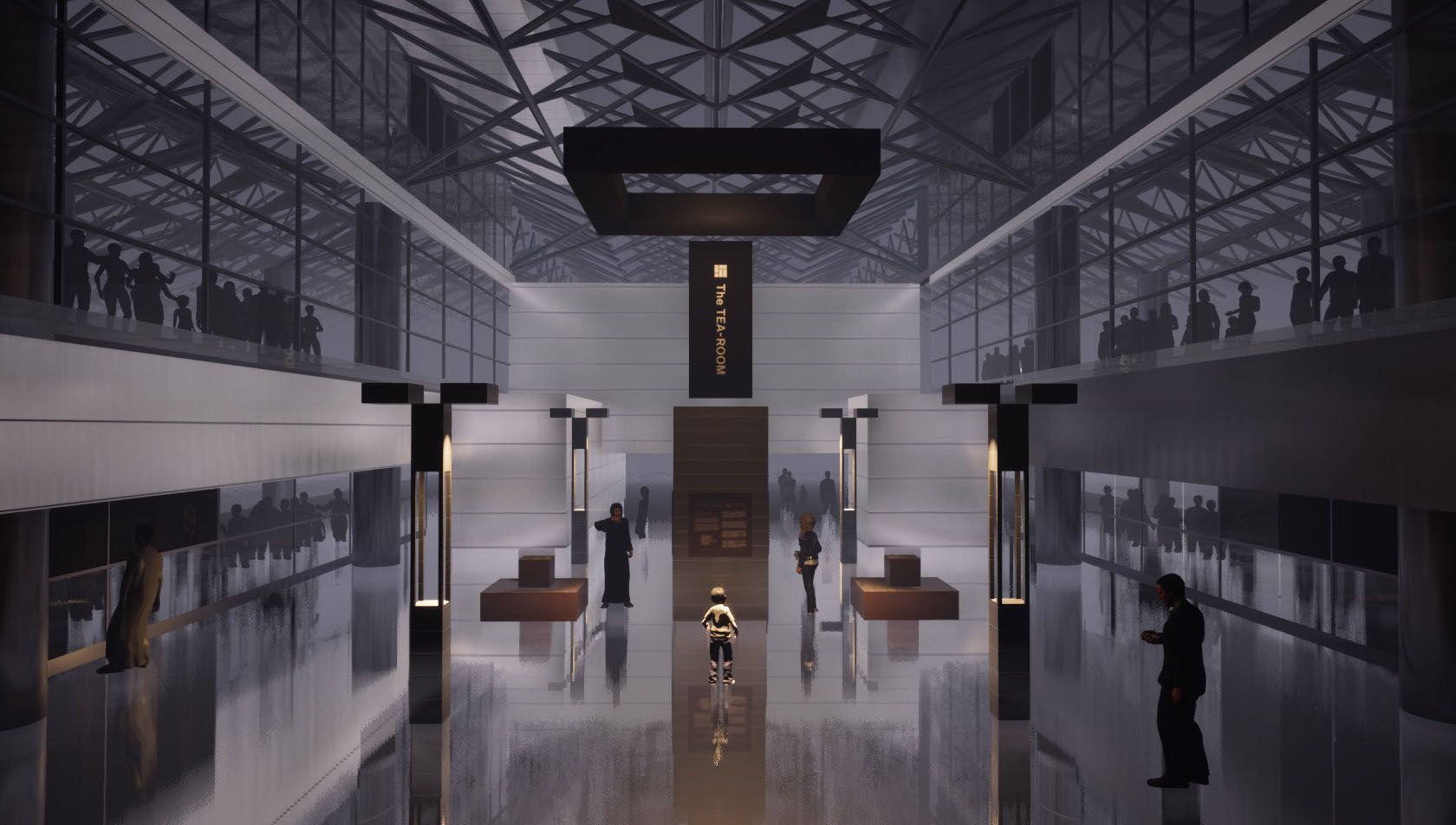
Strand 01
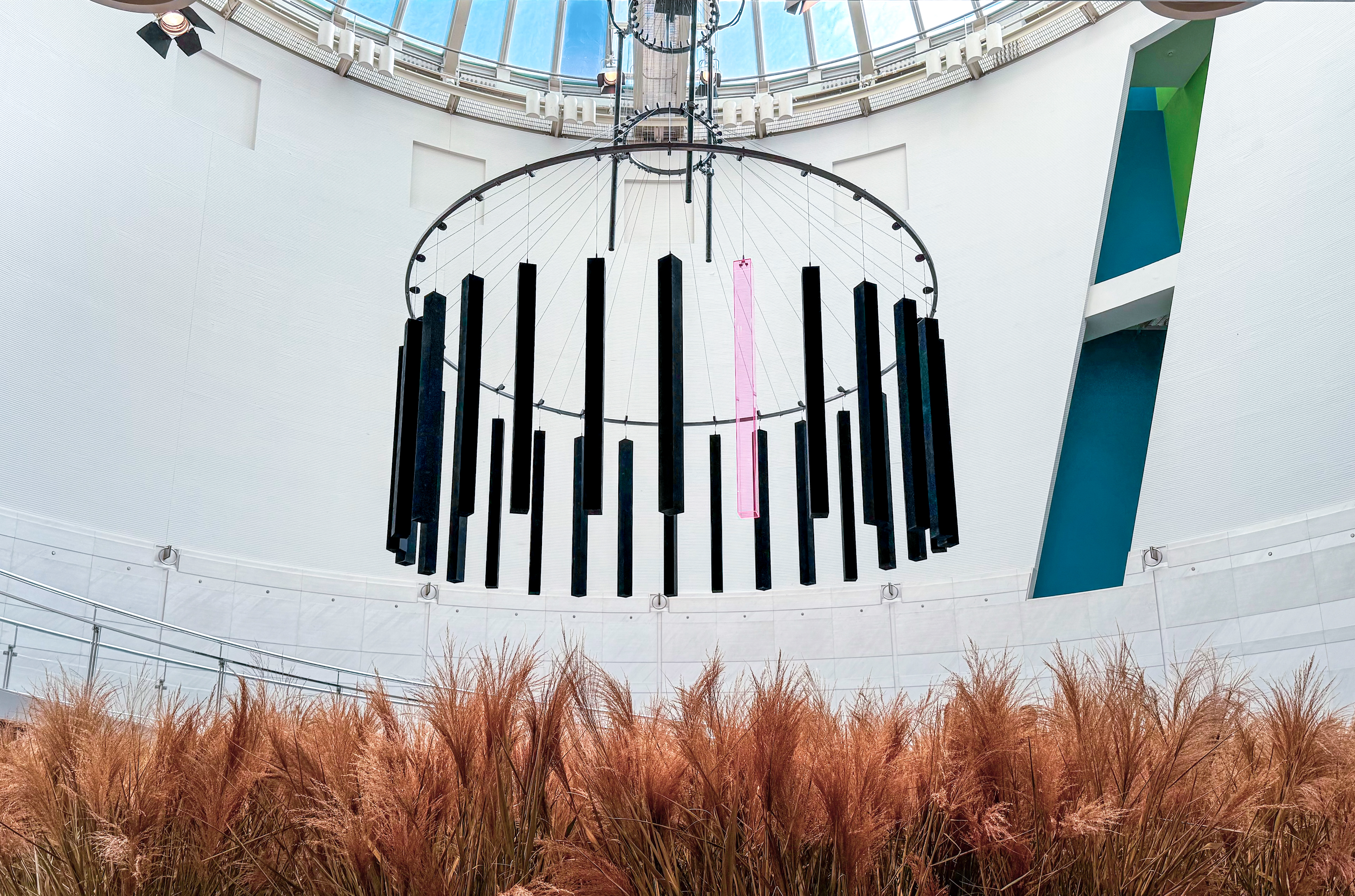
Cosmologies of Calculation
2026– · 2 works
Bringing cosmologies embedded in vernacular cultures of calculation into contact with contemporary technologies, opening ways of seeing that cannot be contained by a single measure.
Mathematics is not a neutral language for describing the world. What a culture counts, how it relates things, and what it recognises as valid or erroneous all bear traces of how it has understood the world. Different cultures of calculation bring different cosmologies into view.
Contemporary computation has developed alongside efficiency, standardisation, and optimisation, enabling different places and cultures to be translated into common measures. In the process, ways of calculating rooted in particular cultures—and the cosmologies embedded within them—have increasingly been displaced.
These works do not attempt to restore a lost past. They bring vernacular cultures of calculation into contact with contemporary mathematics and computational technologies, allowing ways of seeing that exceed a single measure to emerge between them. To encounter a different culture of calculation is to recognise that the world need not be understood in only one way.
Strand 02
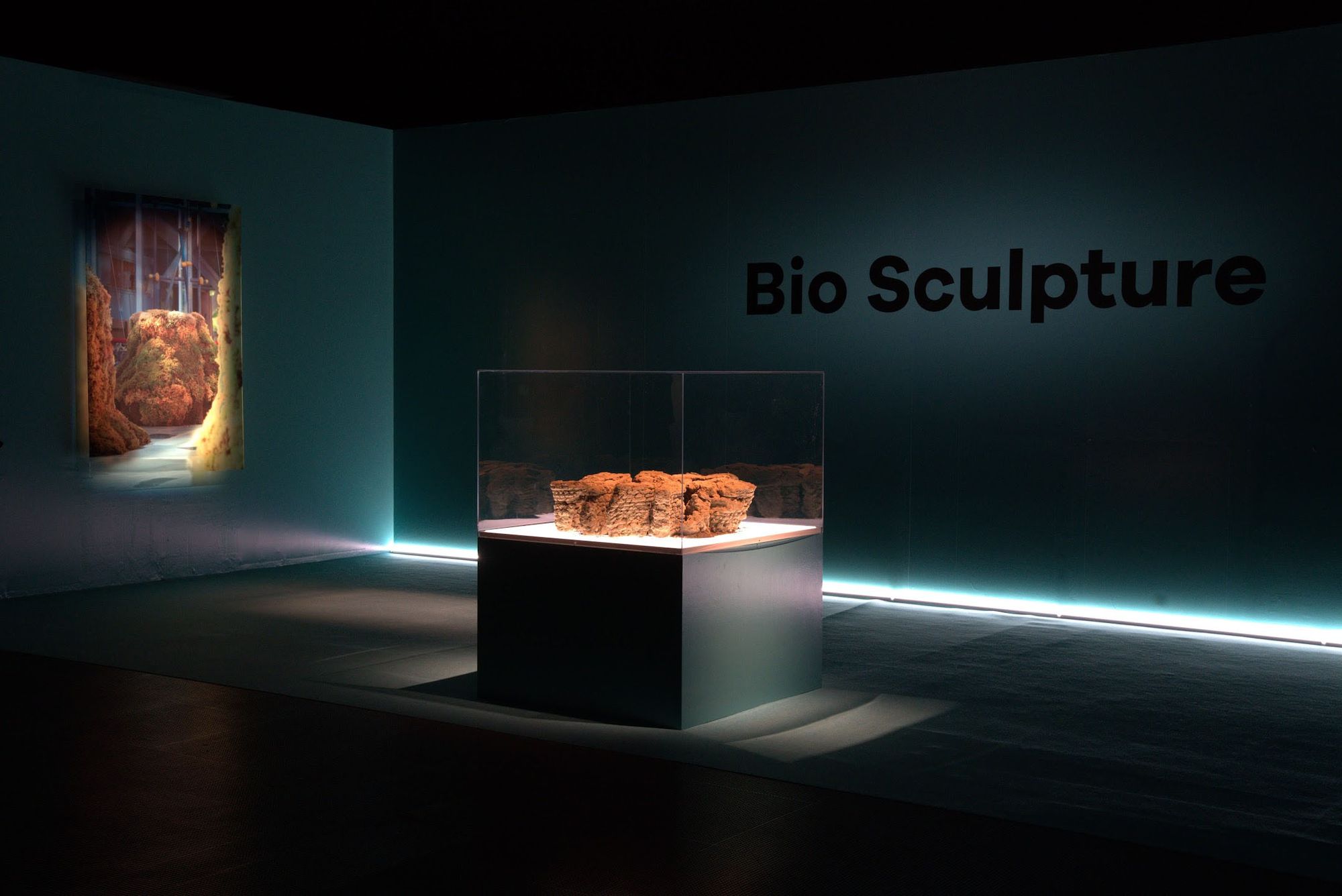
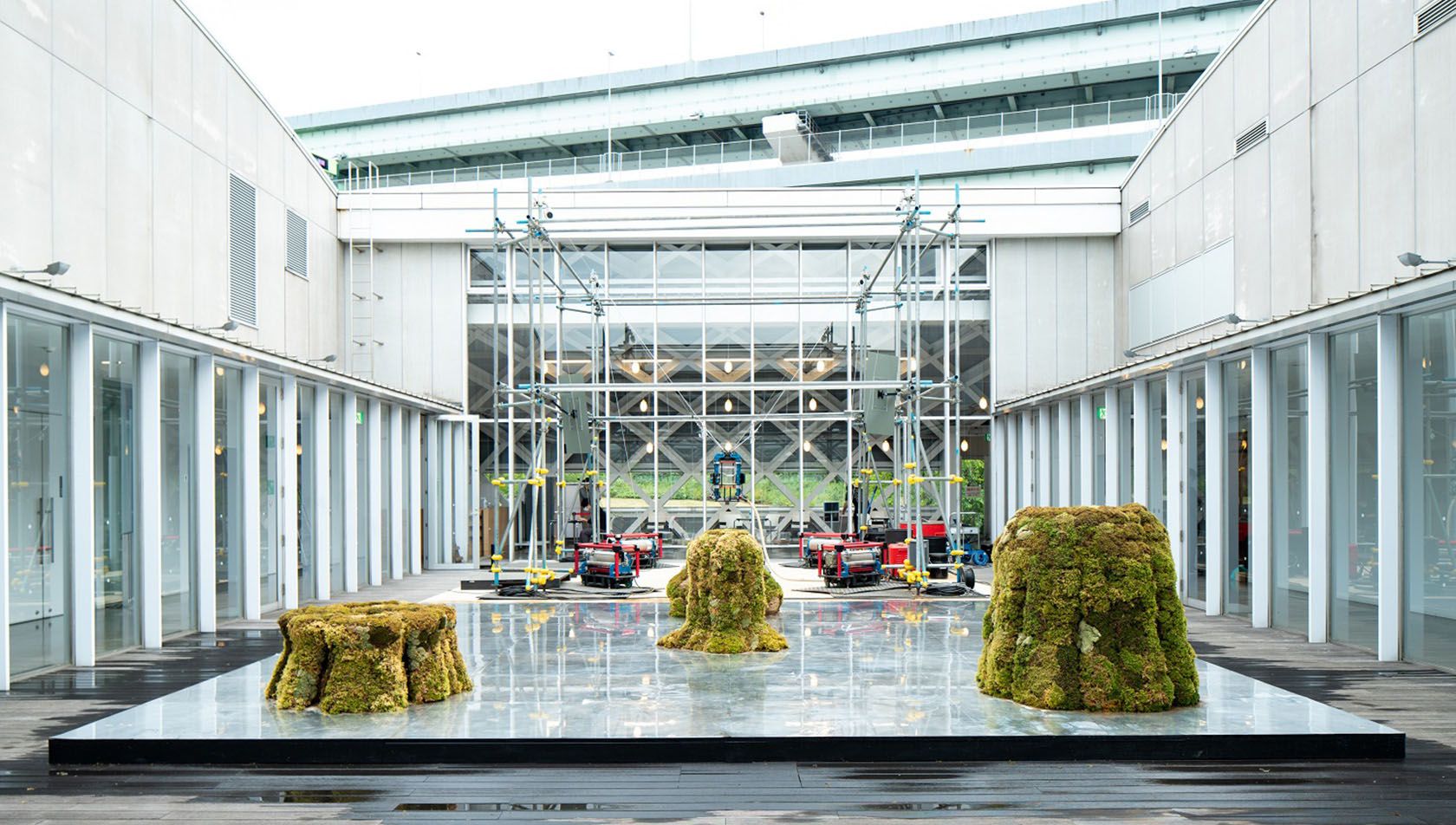
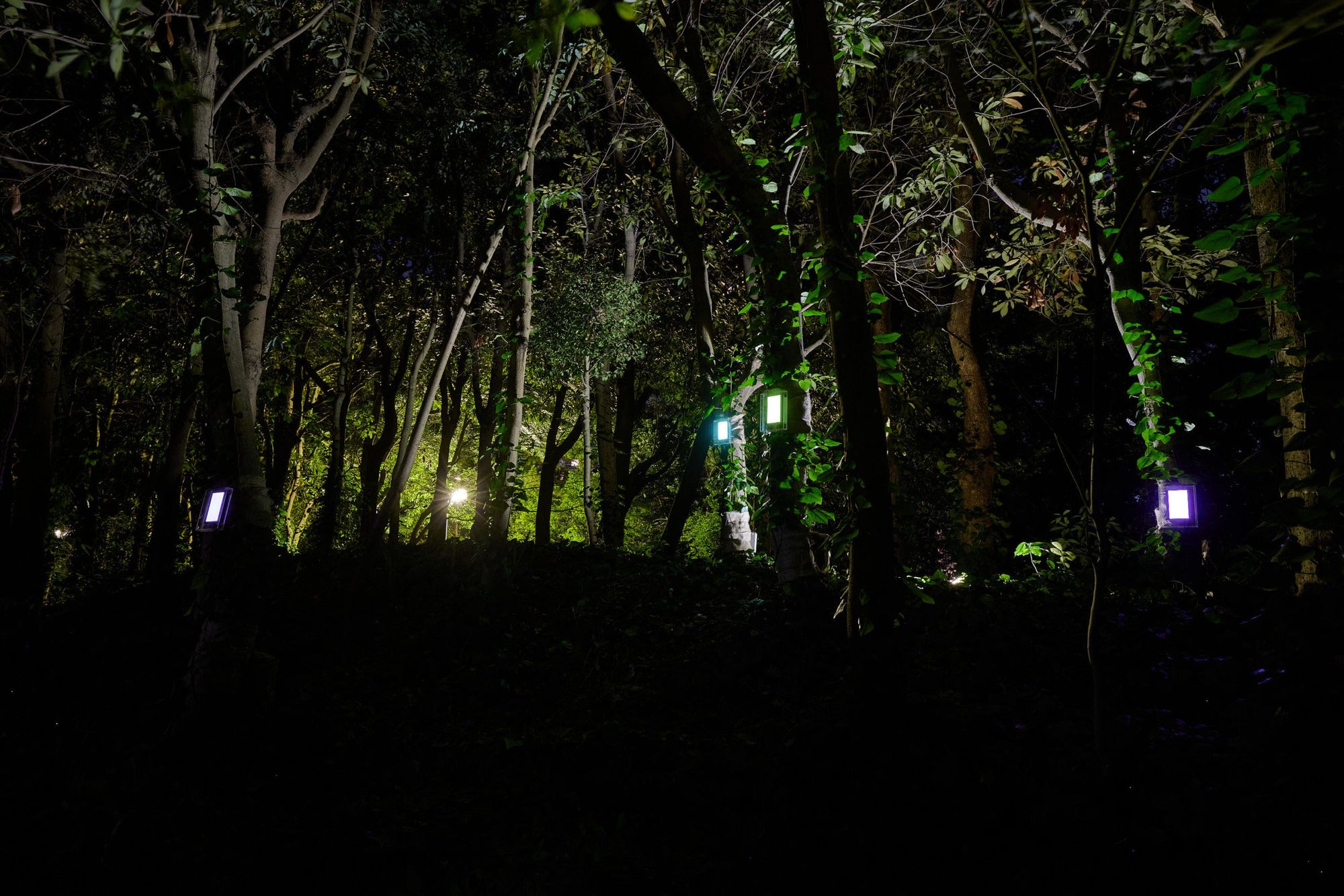
Technology for Multi-Species
2019– · 5 works
Opening technologies developed for humans to other forms of life, making room for them to shape the environments they inhabit.
Much of what we call technology has been developed for human needs, desires, and convenience. But what might technology become if humans were no longer its only beneficiaries? Rather than controlling nature or steering it towards predetermined outcomes, these works explore how technology might create conditions in which other forms of life can act within and shape the environments they inhabit.
Instead of using technology to design life, they ask how it might make room for life to participate in the making of the world itself.
Strand 03
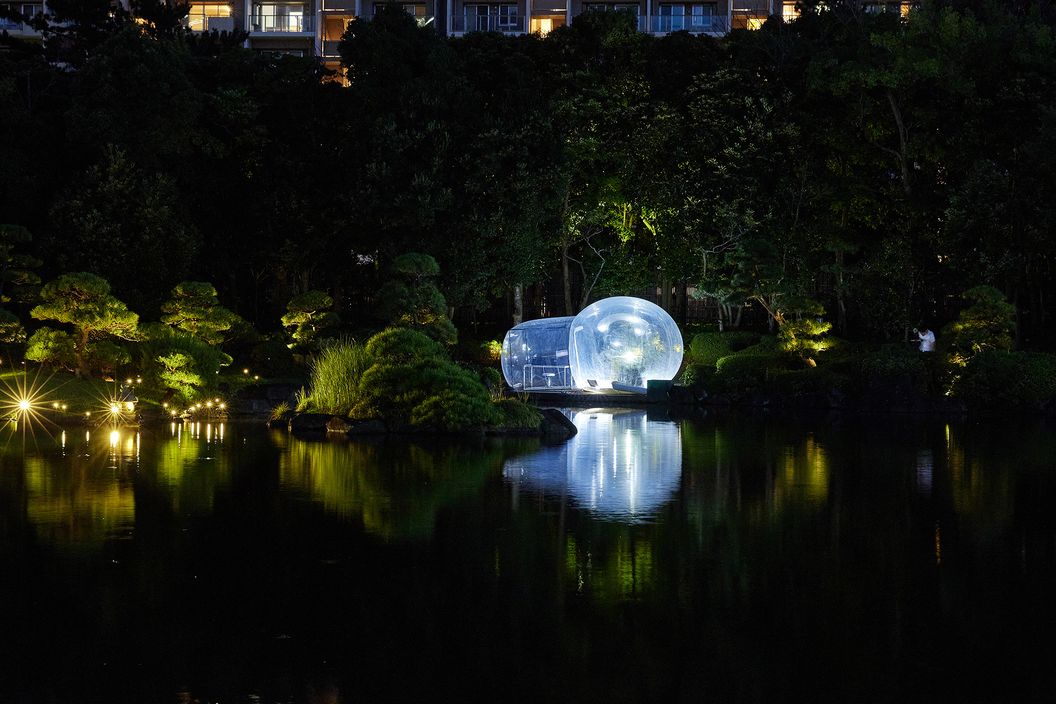
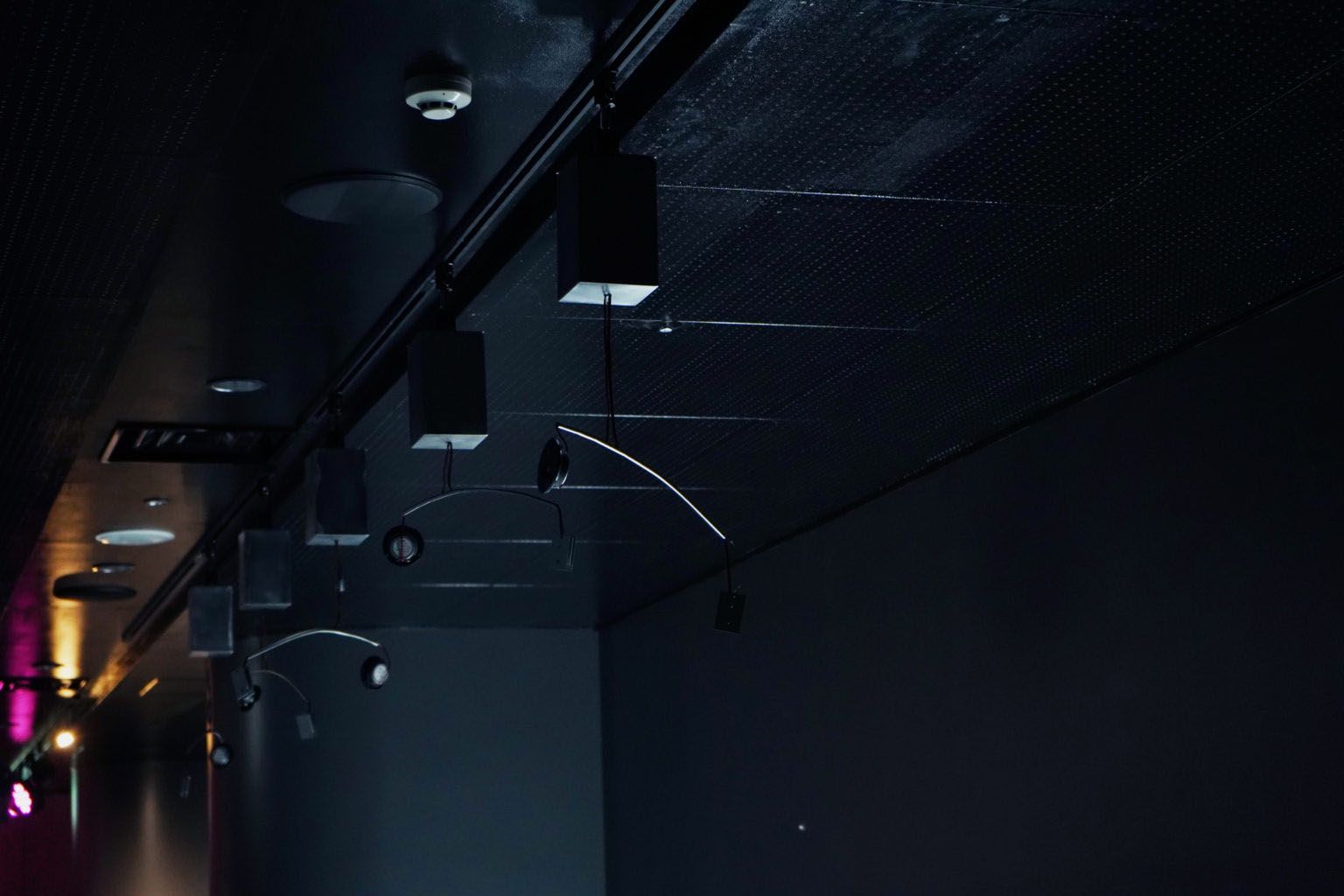
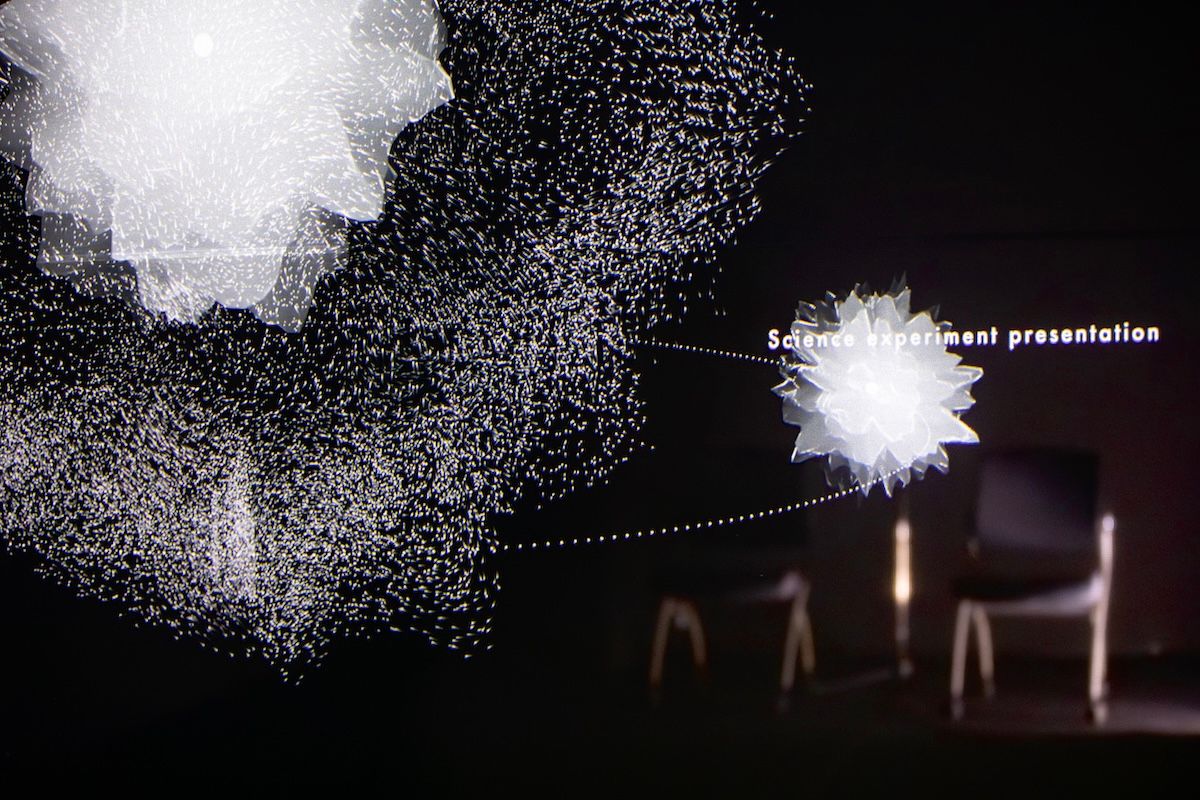
Consensus Machines
2021– · 3 works
Questioning the assumption that a collective decision represents the will of the group.
When a group needs to make a shared decision, the outcomes of voting, majority rule, consensus-building, and other processes are often accepted as the will of the group. Once accepted, such decisions can become policies, rules, or agreements that bind organisations, communities, and those within them.
Yet outcomes can change depending on how choices are framed or aggregated, while the mechanisms themselves often go unquestioned. Emerging computational technologies can go further, allowing those who design the process to shape the conditions of decision-making—sometimes without participants being aware of it—and influence how outcomes take form.
Strand 04
Mechanisms of Fiction
2020– · 7 works
Exploring how shared contexts and fictions can bring a world into being through a few words, objects, gestures, or rituals.
Cultures have ways of sharing complex meanings and worlds without explaining everything in words. A few words, objects, gestures, or rituals can evoke something far larger by connecting to shared memories, symbols, stories, and conventions—allowing even what is not physically present to become real within a shared world.
Drawing on mechanisms of fiction found in practices such as mitate and ritual, these works extract structures embedded in culture and explore how they might operate through different technologies and across different contexts and times.